
Achieving the Perfect Balance of Precision and Velocity

Feature
Structural Superiority: Stability is King
The "Bridge Type" (also known as Double Column) design offers a symmetrical structure that inherently handles vibration better than traditional C-frame machines. In high-speed milling, even the slightest resonance can ruin a surface finish.
Balanced Gravity: The spindle moves along the crossbeam, ensuring a consistent center of gravity.
Enhanced Rigidity: Ideal for heavy-duty cutting while maintaining micron-level accuracy.
Mastering High-Speed Spindle Technology
Speed is nothing without control. Modern high-speed bridge mills are equipped with spindles reaching 15,000 to 30,000 RPM. However, the real secret lies in Thermal Compensation. By utilizing oil-cooling systems and advanced sensors, these machines minimize thermal expansion, ensuring that the first cut is just as precise as the last.
Superior Surface Finishing
For mold makers, the goal is often "Zero Polishing." High-speed bridge mills achieve this through:
High Feed Rates: Maintaining constant chip load.
Advanced CNC Controllers: Processing thousands of blocks of code per second to ensure smooth tool paths.
Direct-drive spindle deploys high precision ball type hybrid bearings to get less thermal expansion
coefficient and low vibration.
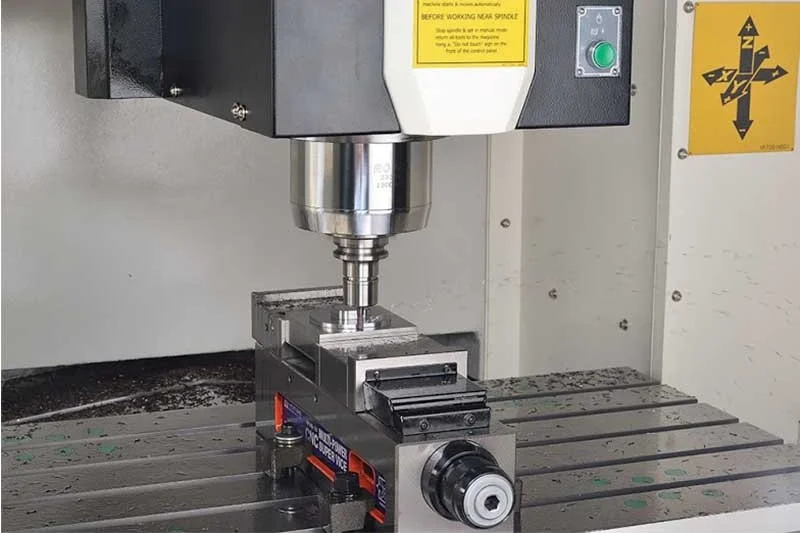
The 1,020mm(40.16 inch) X-travel is the "Goldilocks" zone of manufacturing. It is large enough to handle significant mold bases and multi-clamping fixtures, yet compact enough to maintain extreme structural rigidity.
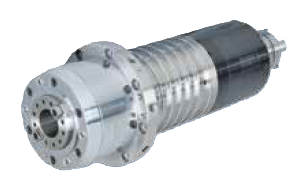
Surface Quality: 12,000 rpm provides the high surface speed needed for superior finishes in aluminum and hardened steel.
Thermal Stability: Direct coupling reduces heat transfer to the spindle head, ensuring consistent accuracy during long machining cycles.

High Pressure Pump Flushing Unit (Option)
